
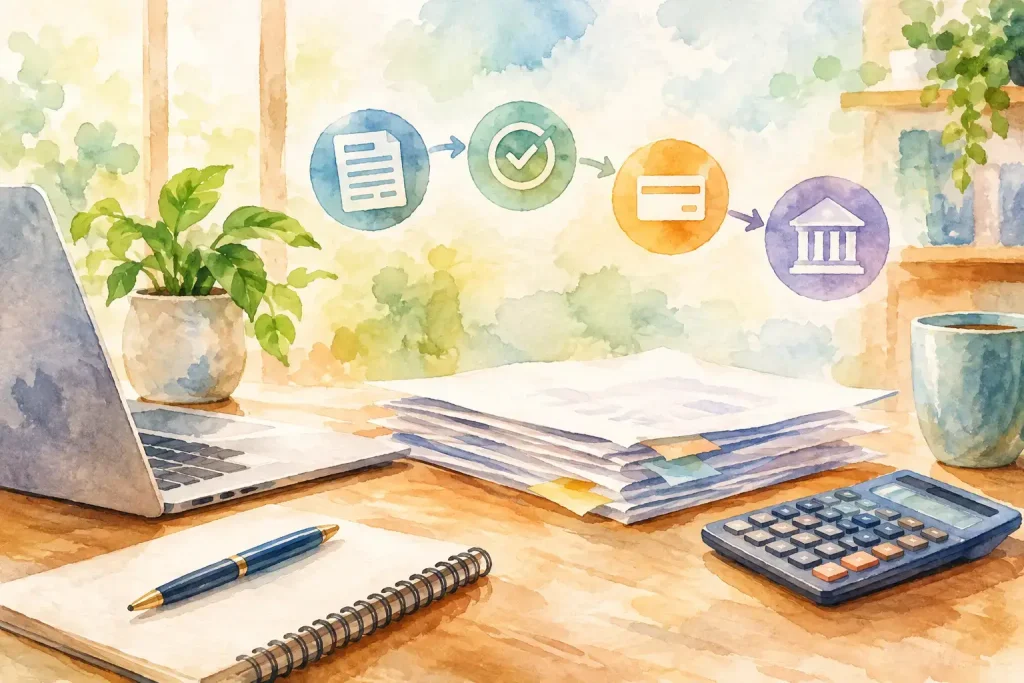
A vendor calls about an overdue invoice you thought was paid. A recurring software charge hits the bank account earlier than expected. A stack of receipts is waiting on a desk while payroll, customer work, and next week’s schedule all need attention. This is exactly where a clear accounts payable process small business owners can follow makes a difference. It turns bill paying from a stressful, last-minute scramble into a reliable routine that protects your cash and your vendor relationships.
Accounts payable is simply the money your business owes suppliers, contractors, utilities, landlords, and other vendors. Managing it well is not just about paying every bill quickly. It is about knowing what is due, confirming it is correct, choosing the right payment timing, and recording every transaction accurately in your books.
Why accounts payable deserves your attention
For a small business, cash flow often has less to do with whether the business is profitable and more to do with timing. You may have a strong month of sales but still feel squeezed if customer payments arrive after payroll, rent, inventory, or supplier bills are due.
A dependable accounts payable process gives you a clearer view of those commitments before the money leaves your account. That means fewer surprise withdrawals, fewer late fees, and better decisions about what the business can afford this week or this month.
It also helps you maintain trust with the people who help keep your business running. Vendors appreciate being paid according to agreed terms. Consistent payment habits can make it easier to request better terms, resolve billing questions, or get help quickly when an urgent order comes up.
For restaurants, this may mean staying ahead of food and beverage invoices that arrive several times a week. For service businesses, it may mean tracking subcontractor bills, software subscriptions, vehicle expenses, and professional fees without losing sight of upcoming payroll. The details differ, but the need for visibility is the same.
The accounts payable process for small business owners
The best process is one your team can follow consistently. It does not need to be complicated. In fact, a simple process completed every week is usually more useful than an elaborate system that only gets attention when something goes wrong.
1. Collect every bill in one place
Start by giving bills a single home. This might be a dedicated accounts payable email inbox, a folder in your accounting system, or a secure shared location where invoices can be uploaded as they arrive. Paper bills should be scanned or photographed promptly so they do not disappear into a vehicle, desk drawer, or pile of mail.
Avoid relying on one person’s memory or text messages to track what is owed. If an invoice exists only in someone’s inbox, it is too easy to miss. A central collection point makes the payment schedule visible and gives your bookkeeper the documentation needed to keep records accurate.
2. Review the invoice before entering it
Before recording a bill, confirm that the vendor is legitimate, the amount matches what was ordered or agreed upon, and the goods or services were actually received. Check the invoice date, due date, payment terms, and any sales tax, delivery, or processing charges.
This step matters even in a close-knit business. Mistakes happen. A vendor can accidentally bill twice, use an old price, or send an invoice intended for another customer. Paying first and asking questions later can create extra work and tie up cash you need elsewhere.
For regular recurring charges, review them periodically rather than assuming they are always correct. That unused software subscription or automatic service renewal can quietly become an expensive habit.
3. Enter bills promptly and assign the right category
Once approved, enter the invoice into your accounting system as a bill payable. Record the vendor, invoice number, date, due date, amount, and expense category. Attach a copy of the invoice whenever possible.
Categorizing expenses correctly is more than a tax-time task. It helps you see what is actually driving costs. If food costs are climbing, if marketing spending has grown, or if repair expenses are outpacing expectations, accurate categories make those trends visible in your financial reports.
Do not wait until the bank statement arrives to record bills. A bank feed only shows money after it has left your account. Entering bills when they are received shows what you owe before payment, which creates a more honest picture of available cash.
4. Set clear approval rules
Not every business needs several layers of approval, but every business benefits from knowing who can authorize spending. Create rules that fit your size and operations. For example, a manager may approve routine supply purchases while the owner reviews new vendors, large invoices, or expenses outside the usual budget.
Your approval process should answer four practical questions:
- Who confirms the goods or services were received?
- Who verifies the invoice amount and coding?
- Who approves payment?
- Who is allowed to release funds from the bank account?
When one person handles every step, errors and fraud are easier to miss. If staffing is limited, add a simple second review. An owner can review a weekly payment list before payments are released, even if someone else enters the bills.
5. Pay on a schedule, not at random
Choose one or two payment days each week. On those days, review bills due soon, approved invoices, available cash, and expected customer payments. This gives you control over timing without making bill paying an all-day interruption.
Pay according to the terms whenever possible. Paying a bill the same day it arrives may feel responsible, but it can reduce cash unnecessarily if the invoice is not due for 30 days. On the other hand, waiting past the due date can lead to late fees, strained vendor relationships, or interrupted service.
There are exceptions. Take an early-payment discount if it provides meaningful savings and cash flow supports it. Pay critical suppliers early if your business depends on uninterrupted deliveries. If cash is tight, communicate with the vendor before the due date rather than avoiding the issue.
6. Reconcile payments and keep documentation
After payments are made, match each payment to the correct bill in your accounting system. Then reconcile bank and credit card accounts every month. This confirms that your records match the actual transactions and helps catch duplicate payments, missing bills, incorrect amounts, or unauthorized charges.
Keep invoices, approvals, receipts, and payment confirmations organized with the transaction record. Good documentation makes questions easier to answer later, whether they come from a vendor, your tax professional, or your own future self during a busy season.
Common accounts payable mistakes that cost small businesses
The most common problem is not a lack of effort. It is using a process that depends on memory. When bills arrive through email, mail, text, and verbal reminders, something eventually gets missed.
Another frequent issue is confusing bills with expenses already paid. If you paid for supplies immediately with a debit card, that transaction should be recorded as paid. If a vendor sends an invoice to pay later, it should be recorded as a bill. Mixing the two can overstate expenses, create duplicate entries, or make the accounts payable balance unreliable.
Business owners also sometimes pay personal and business expenses from the same account. This complicates bookkeeping, blurs the true cost of running the business, and creates unnecessary cleanup later. Separate accounts and clear reimbursement procedures provide much better visibility.
Finally, do not let old unpaid bills sit without investigation. An aging accounts payable report can reveal invoices that are truly overdue, invoices already paid but not recorded, credits waiting to be applied, or vendor disputes that need attention.
When it makes sense to get support
You may be ready for bookkeeping support if bills are regularly missed, vendor balances do not match your records, or you cannot confidently say what your business owes this month. You may also need help if a backlog of old invoices and unreconciled accounts is making it difficult to trust your financial reports.
A bookkeeper can maintain the routine, organize source documents, enter and categorize bills, reconcile accounts, and provide reports that show what is due. The owner still controls spending and approvals, but no longer has to carry every deadline in their head. At Over The Moon Bookkeeping, that kind of practical support is designed to bring your books and your decisions back into sync.
A well-run accounts payable process will not remove every cash-flow challenge. It will give you something just as valuable: early warning, cleaner records, and a calmer way to make the next payment decision. Start with one consistent payment day this week, and let that small habit create more breathing room for the work only you can do.